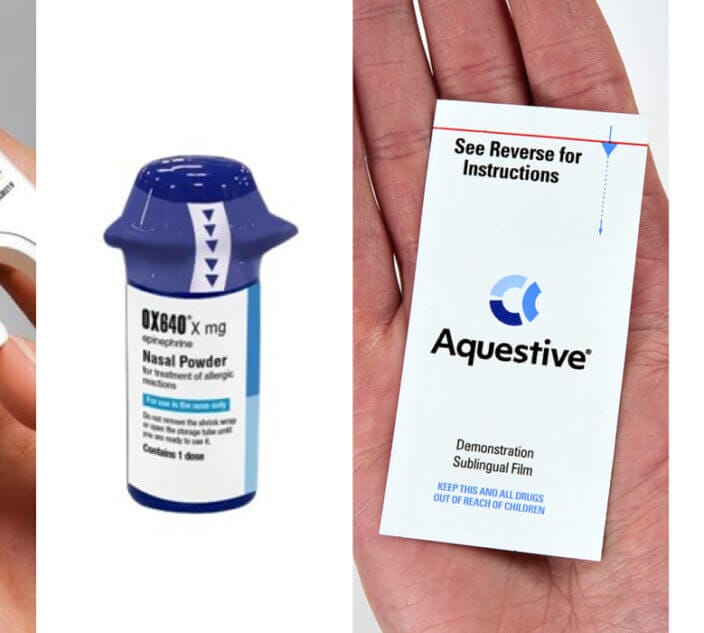
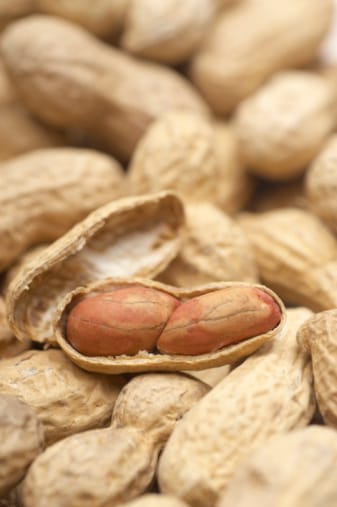
The only current treatment for this allergy is to avoid all traces of peanuts and peanut butter or other peanut-containing products. If your allergic child (or you) eats peanut with a known allergy, the drug epinephrine (adrenaline) will be needed to halt the reaction. But using the epinephrine auto-injector is an emergency situation only, it’s not a treatment.
This is why “avoidance” is the operative word for managing a peanut allergy. However, this isn’t as simple or easy as that one word suggests.
Now it may be obvious not to eat a peanut butter cookie, but many sources of peanut are not obvious. For example, peanut may be used in making egg rolls. You must also be aware of cross-contamination in kitchens – which occurs from using shared pans (the wok used for those egg rolls) or a peanut-butter-coated knife that’s thrust into a jam jar, leaving residue. There can also be issues of traces of peanuts in packaged or baked goods.
For a parent or person dealing with a newly diagnosed peanut allergy, getting used to looking out for peanut can feel overwhelming. But once you get the hang of some basics, you’ll find that managing peanut allergy is possible. It just requires knowledge, sticking to certain rules and a new level of vigilance around food.
Hand-Washing: When your child (or you) has a peanut allergy, soap and water are your best friends. Hands should be washed thoroughly before and after eating. If you have a school-aged child, ensure he (or she) is able to wash his hands before snacks and lunch. With younger children, schools usually adopt an allergy protocol of washing hands among all children after eating. Even if your school allows peanut in common areas, washing up will considerably lessen the risk of exposure. Bring wipes with you at all times: they’re great for cleaning hands in a pinch, as well as wiping downs trays, tables and chairs when eating outside of your home.
Cross-Contact: It’s important to make sure peanuts or peanut products don’t come in contact with the food you are eating. That means thoroughly cleaning utensils and kitchen equipment after use. For example, if someone makes a peanut butter sandwich on the cutting board, be sure to clean the board thoroughly with soap and water before using it to make your own, safe sandwich.
When there is a child or adult with a peanut allergy in the household, many families choose to eliminate all peanut from the house. This is a personal preference and will depend in part on your family’s ability to be vigilant about keeping the peanut-allergic person safe. (For instance, with a few young siblings, it may be more difficult to control peanut butter smears.)
Some people allow peanut butter but not bagged peanuts (peanut dust) while others keep a separate cutting board for the person with peanut allergies and ensure that all common cutlery is put through the dishwasher.
Label reading: Whenever you eat a packaged food, you need to read the label in its entirety to check for any mention of peanut. Sometimes, peanuts can have different names or can be hidden as an ingredient within a manufactured food. You also have to look for precautionary statements on package labels, such as “May Contain Peanuts.”
The better news is that food labeling in the United States and Canada has improved considerably in the past few years, especially for the Top Ten food triggers. For more information on what you need to know when reading product labels, please view Label Aware.
One thing to be cautious of with peanut allergy: imported foods. Not all countries have the stringent labeling requirements of United States, Canada and the European Union. Don’t take chances if you suspect peanut could be an ingredient of an import.
Uncertain Foods: Managing peanut allergy successfully means not succumbing to temptation. This is one of the harder parts of living with a peanut allergy because it has to be done 24/7, 365 days a year. If your hostess is “pretty sure” her delicious dessert from the fabulous bakery is peanut-free, just politely decline. Remember, we don’t “plan” accidents. The consequences of finding out the hostess was wrong are just not worth it!
Next: Speak Up About Food Choices